Physical Education
P.E
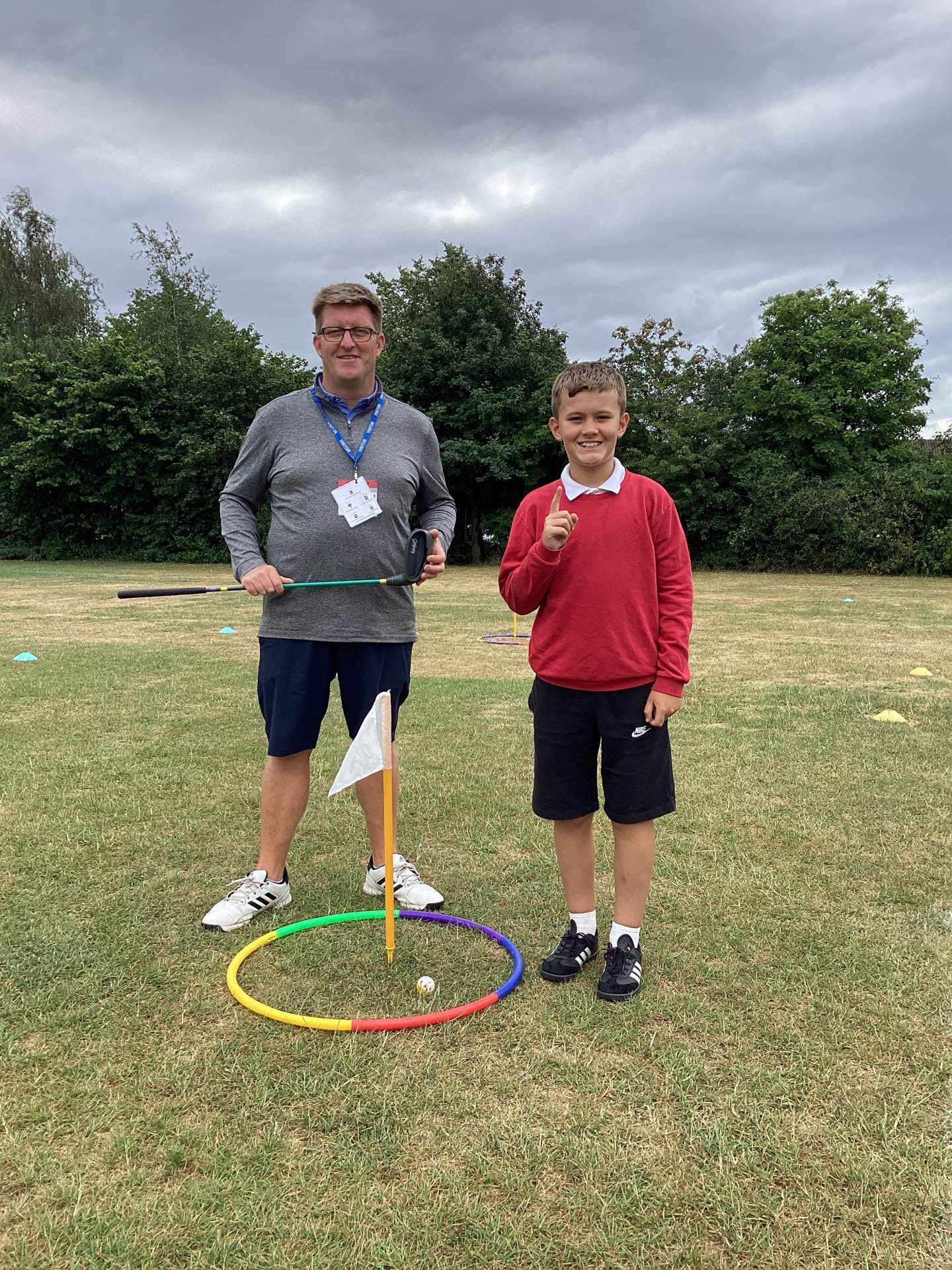
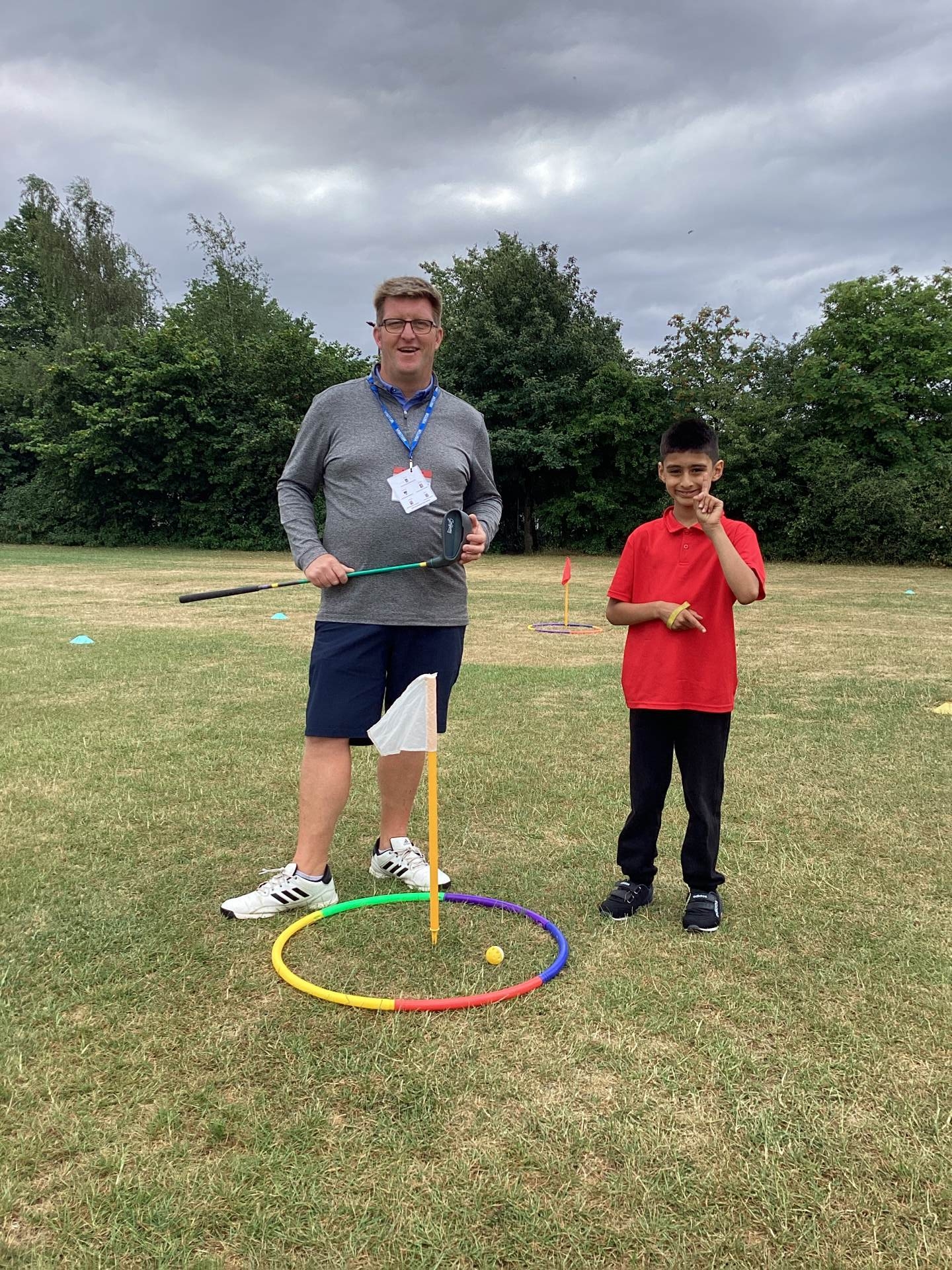
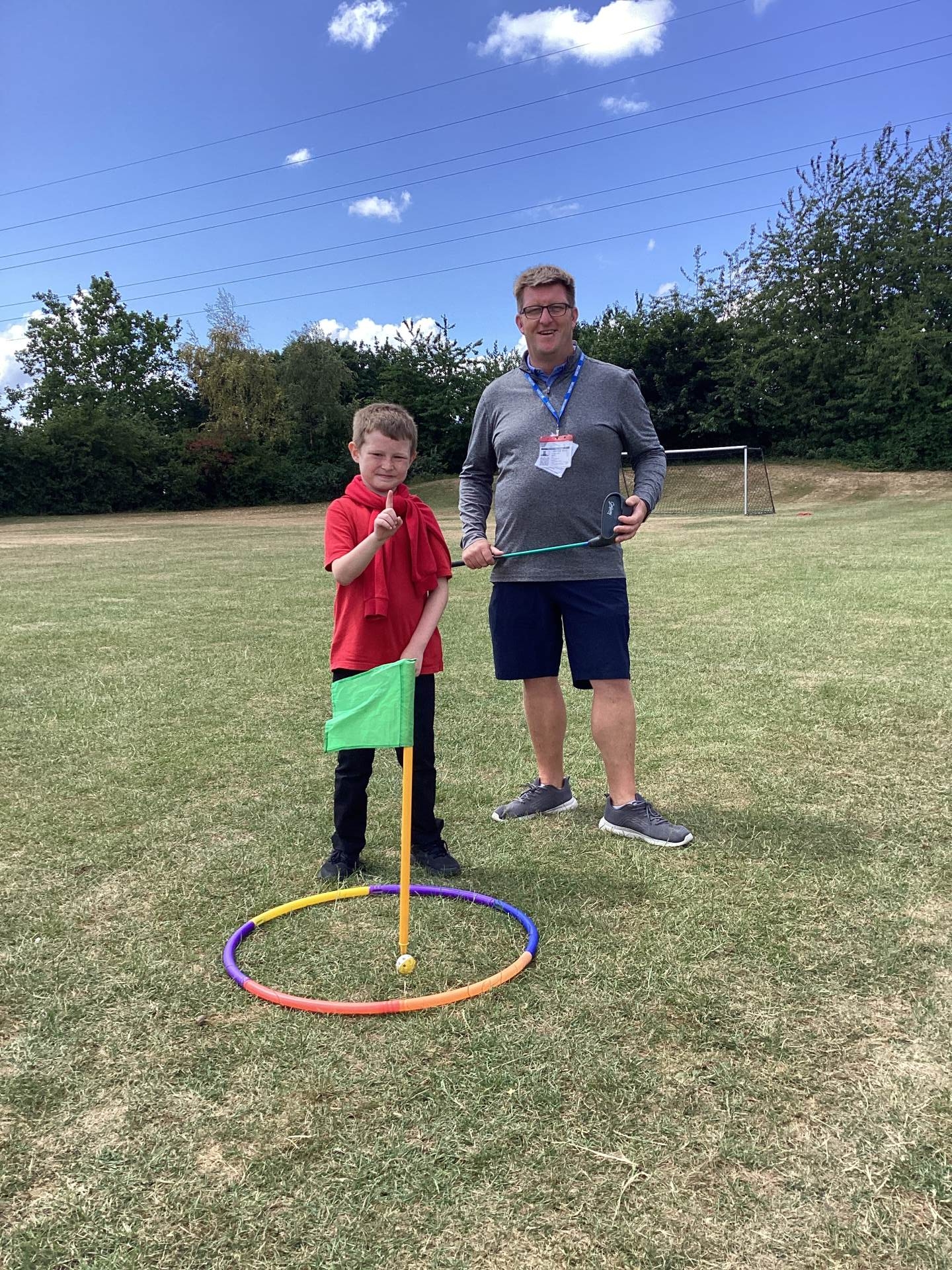
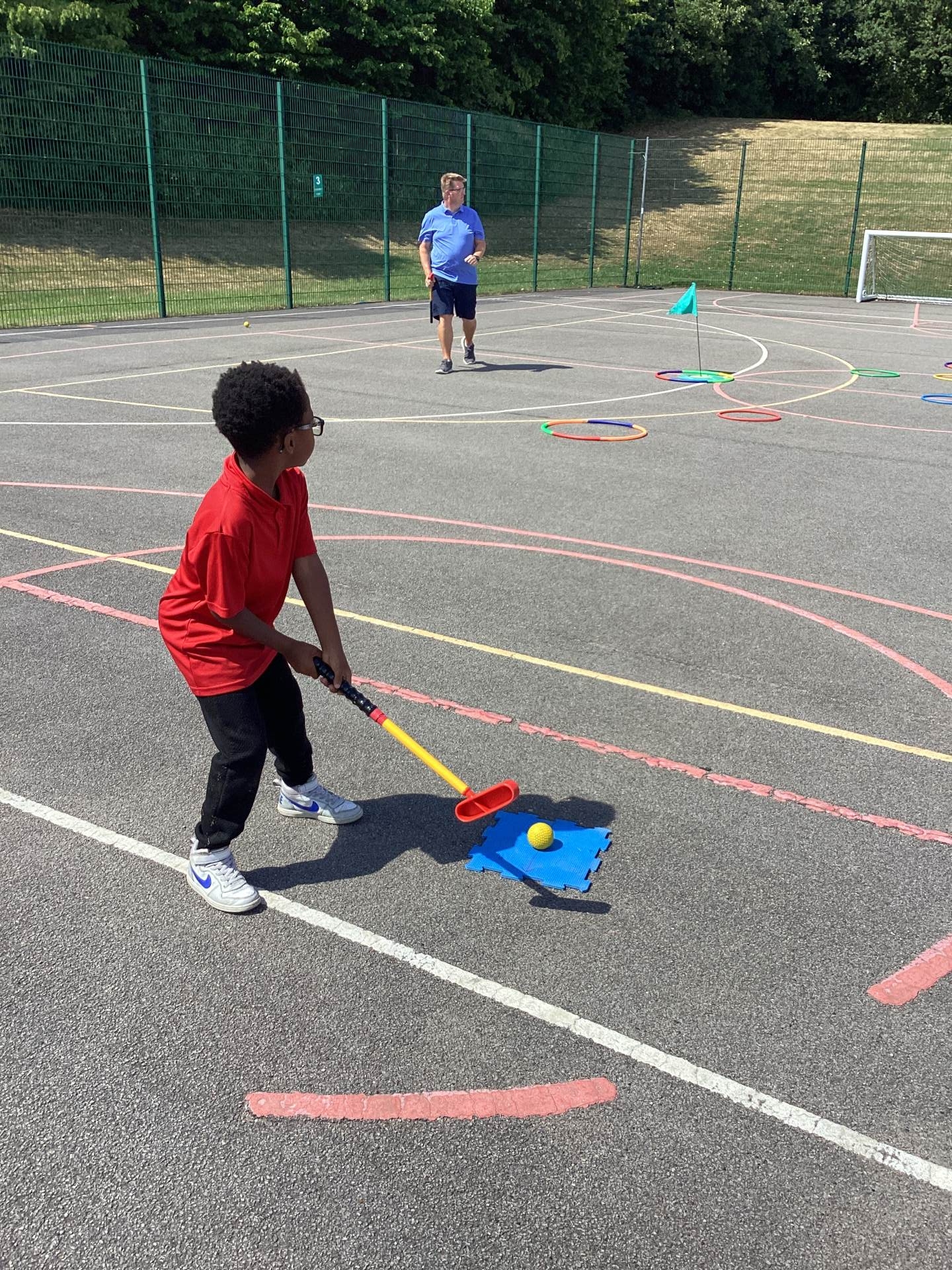
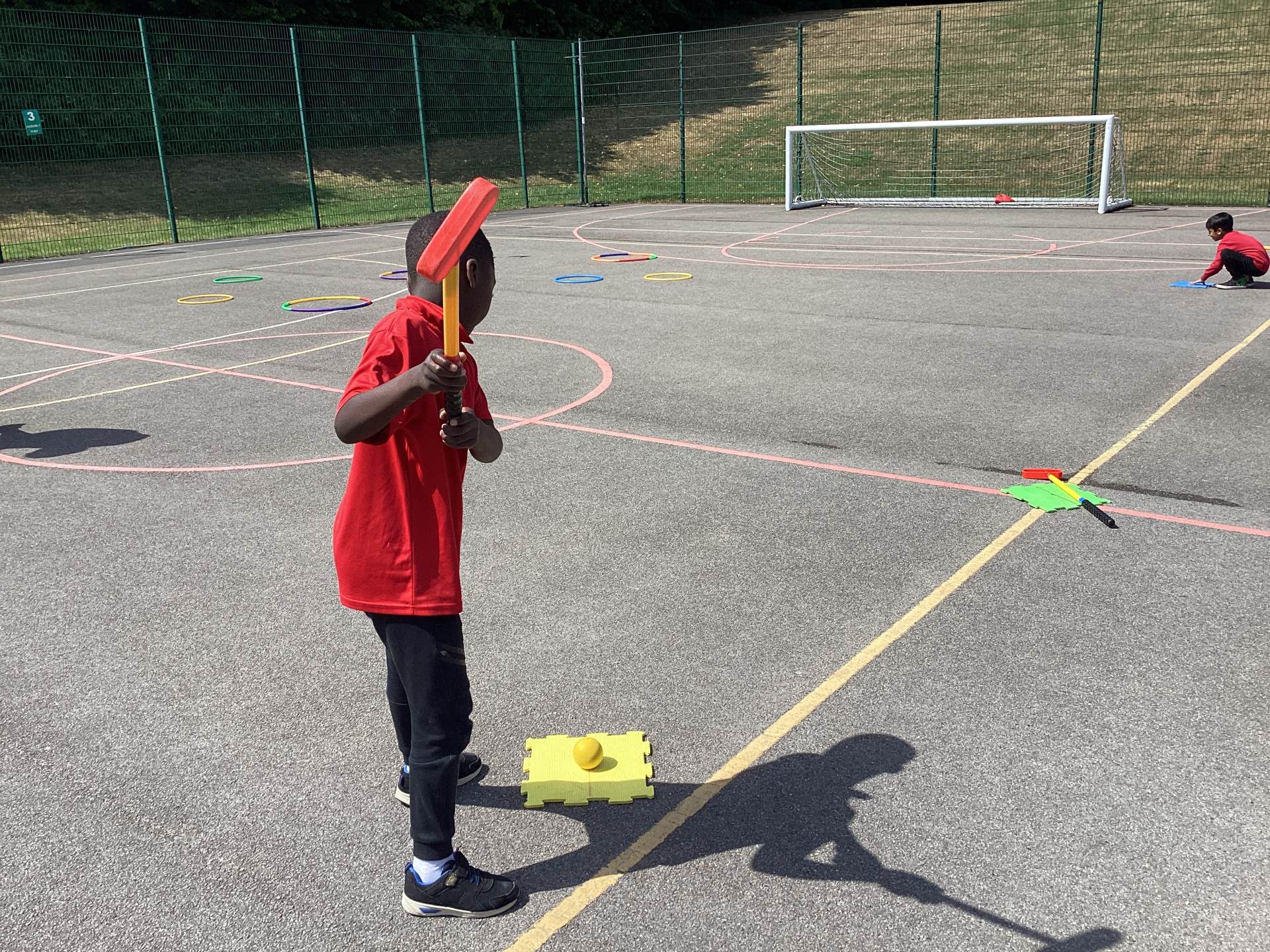
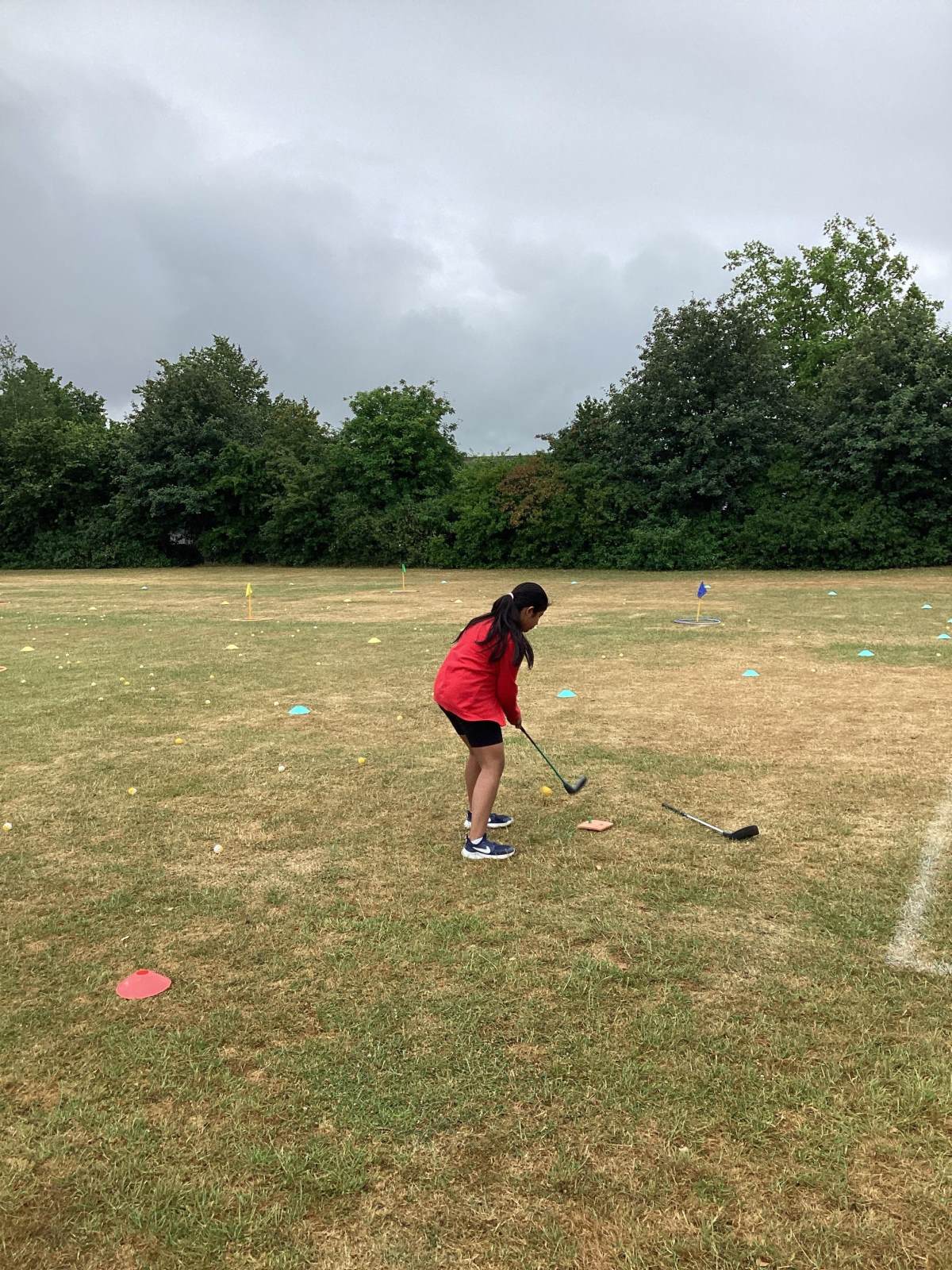
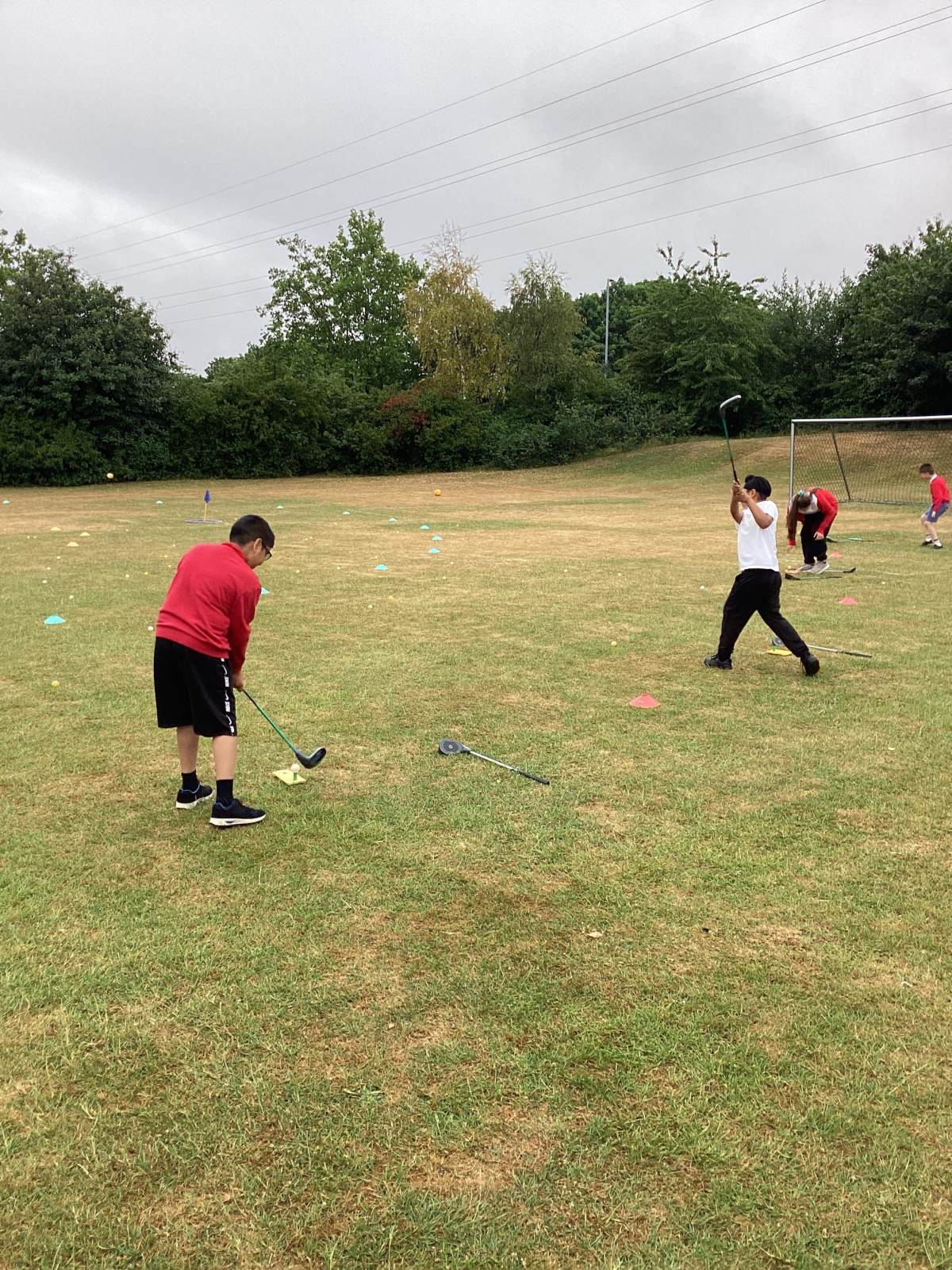
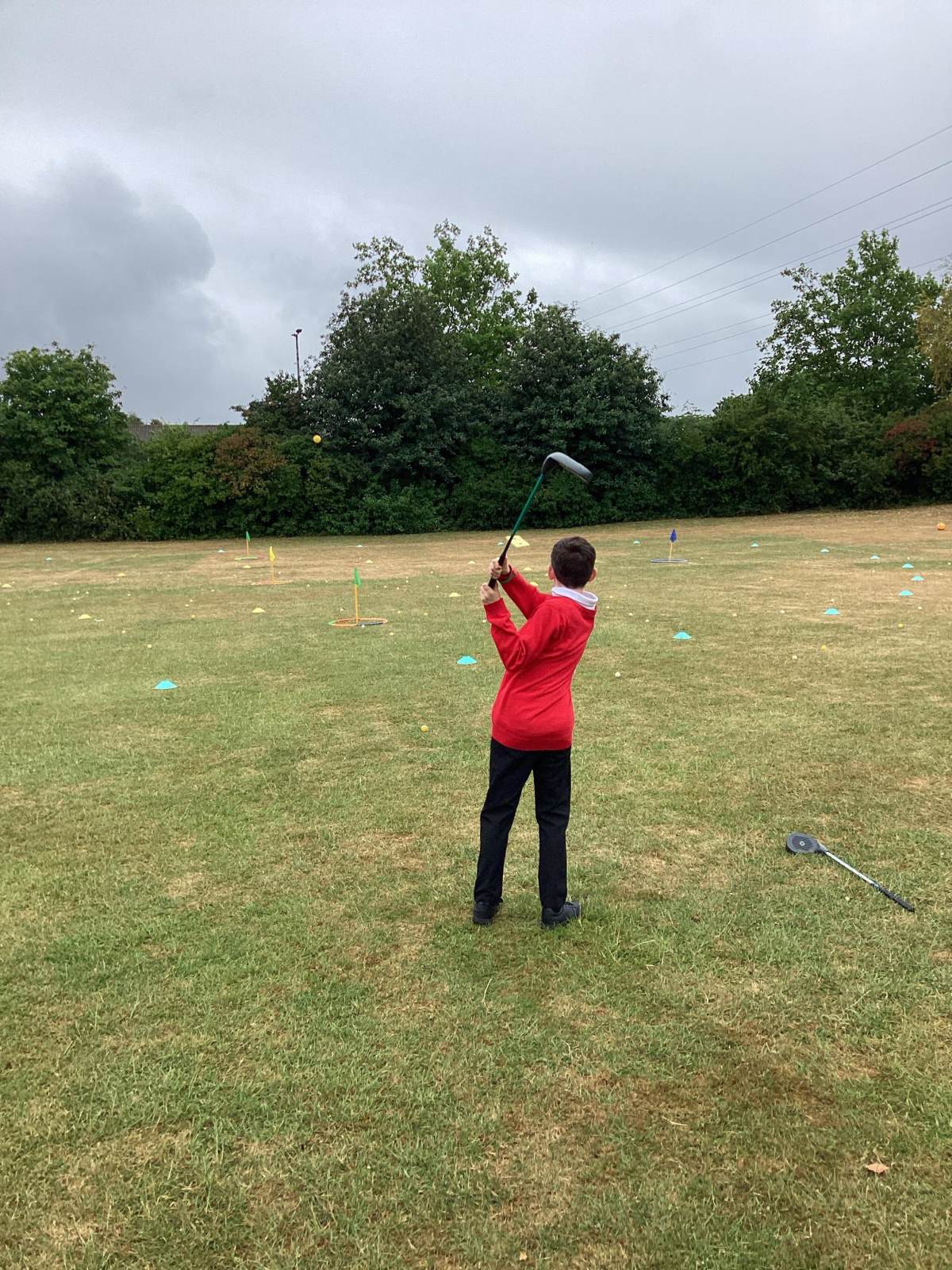
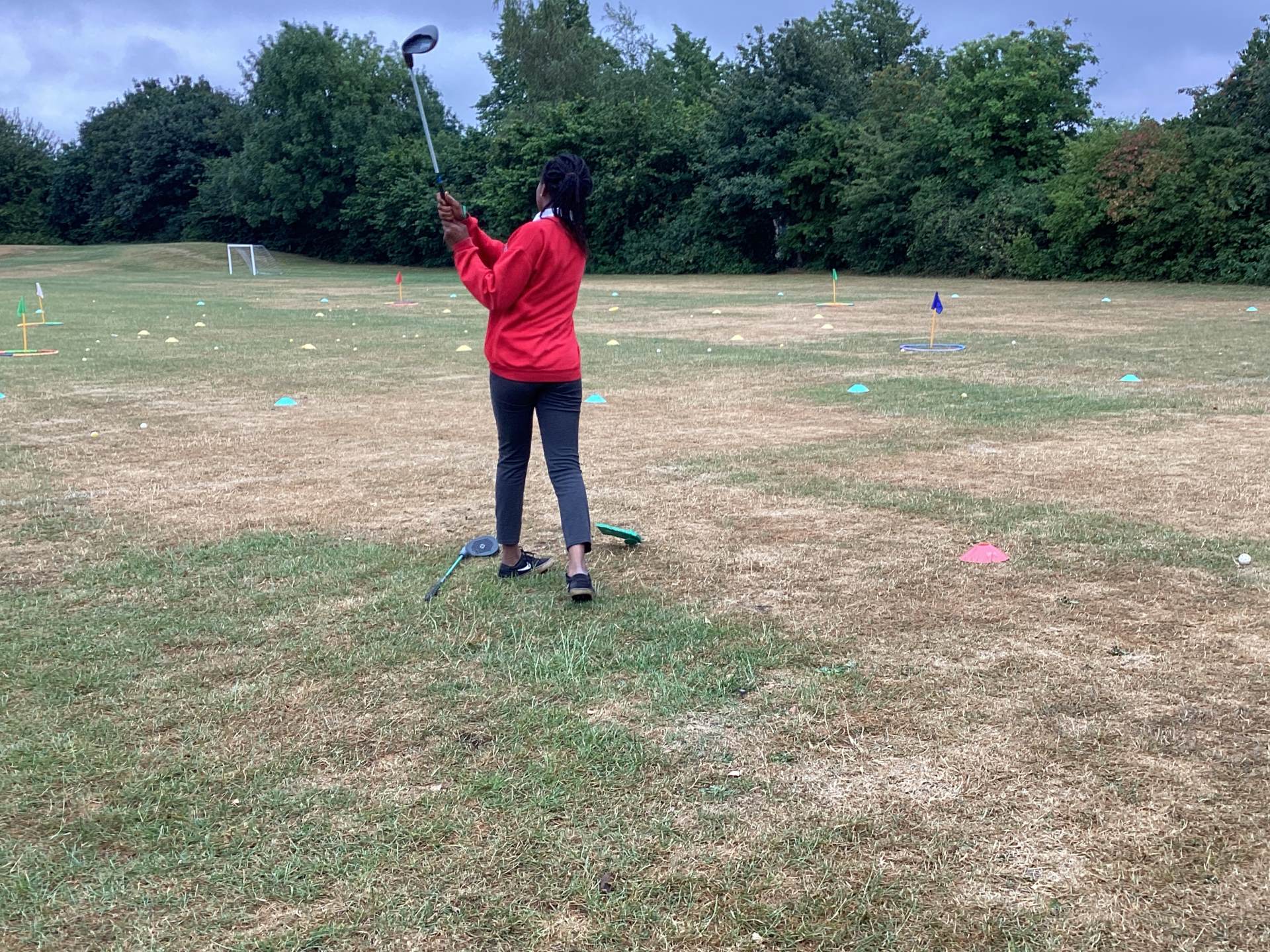
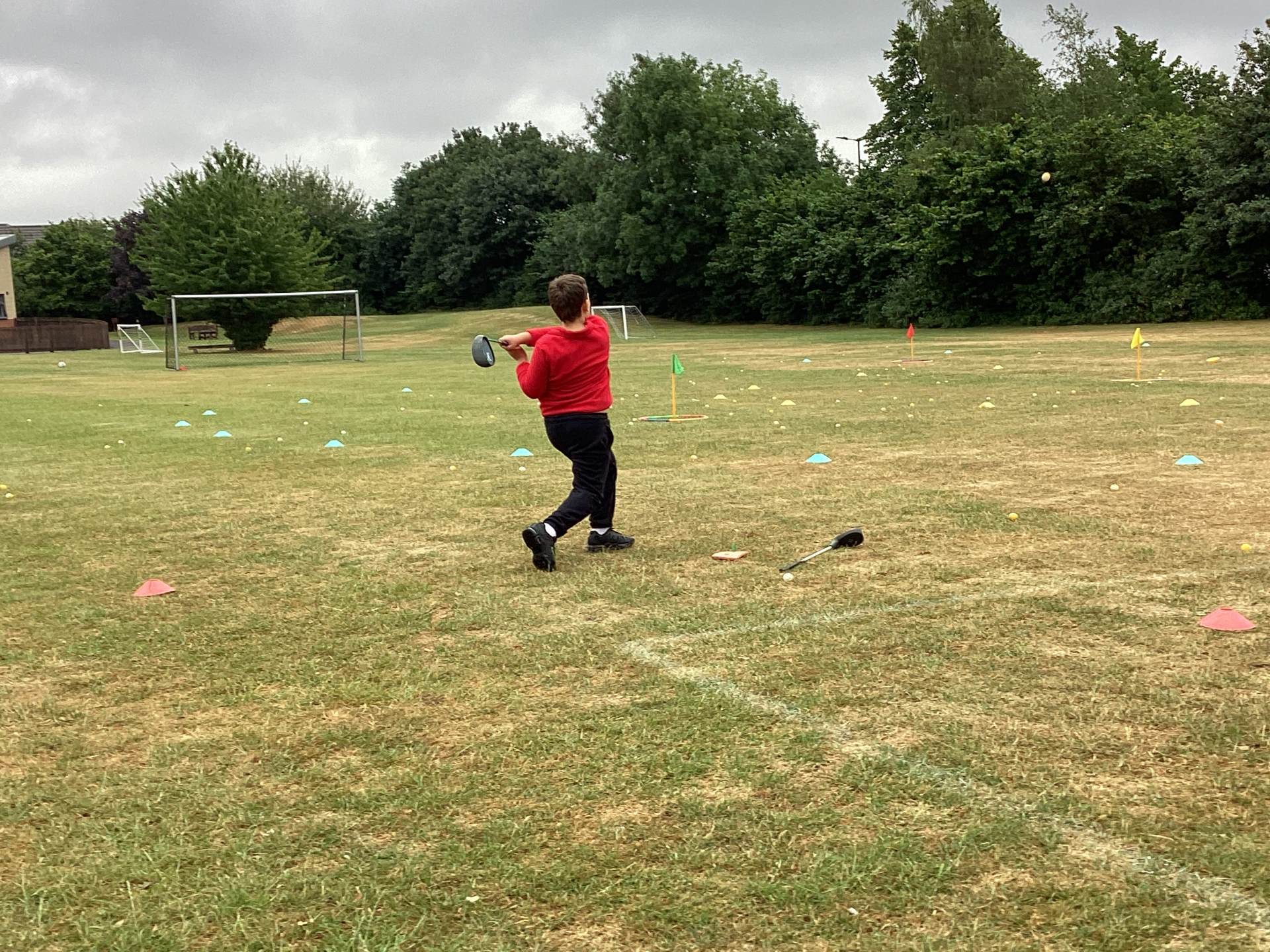
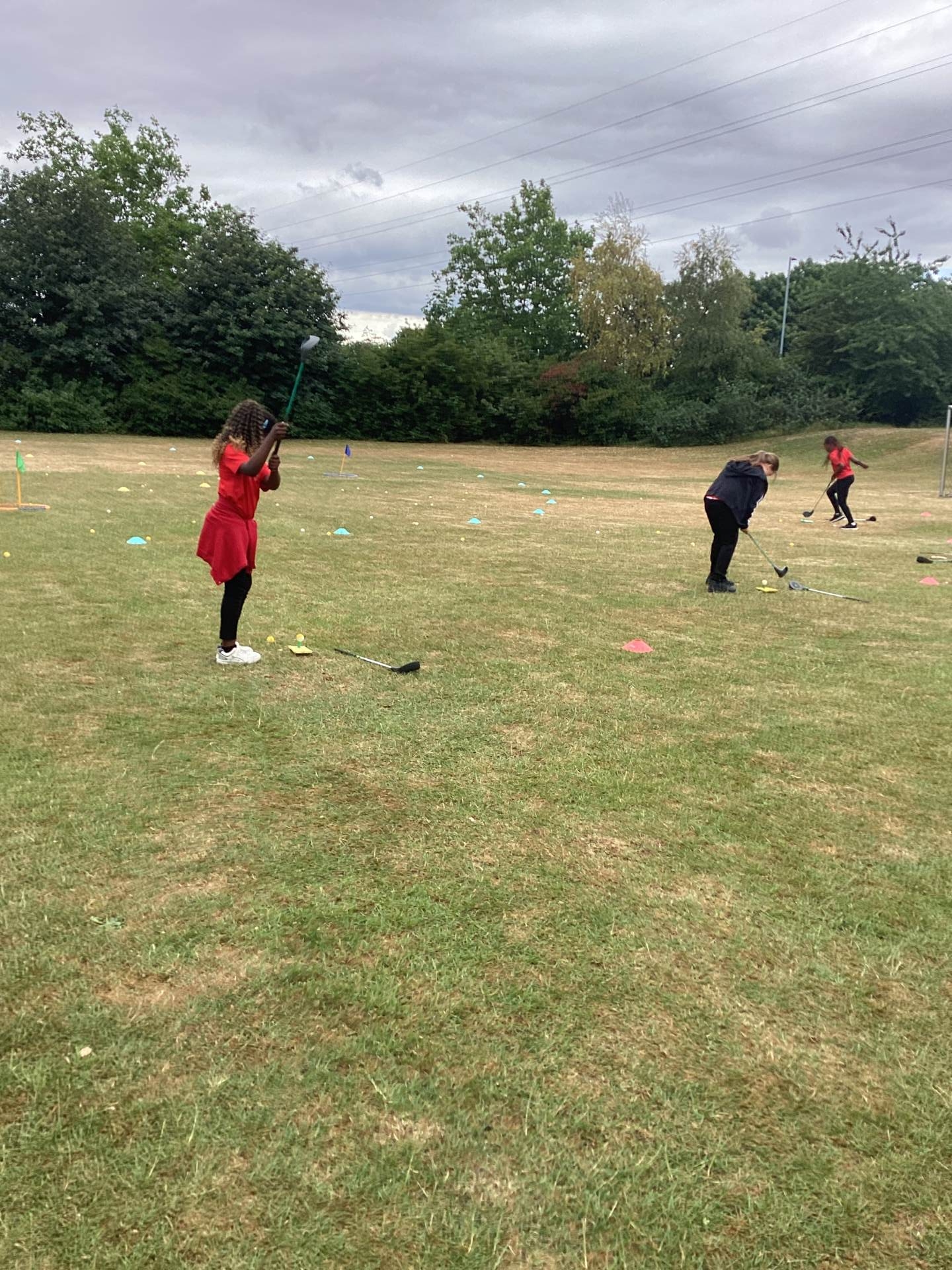
Physical Education at Thornhill provides opportunities for children to be physically active for sustained periods of time. Through this, children will have more opportunities to engage in a broad range of sports and activities and engage in these competitively. By creating a fun and engaging environment for children to achieve these, we aim to inspire our pupils to go on and lead healthy, active lives.
At Thornhill, we follow the 'Beyond the Physical' Curriculum which is an afPE Approved Curriculum Resource Accreditation.
The 'Beyond the Physical' Curriculum follow a distinctive appraoch:
- Progression and Mastery – Sequenced learning ensures children revisit and refine skills until they achieve mastery.
- Move / Solve / Connect Framework – Goes beyond sport-specific lessons to build transferable skills, problem-solving, and social connection.
- Physical Literacy Informed – A holistic approach valuing physical, cognitive, social, and emotional growth.
- STEP Principle – Activities adaptable through Space, Task, Equipment, People for inclusivity.
- Teacher-Friendly Design – Simple navigation, embedded assessment tools, and flexible lesson support.
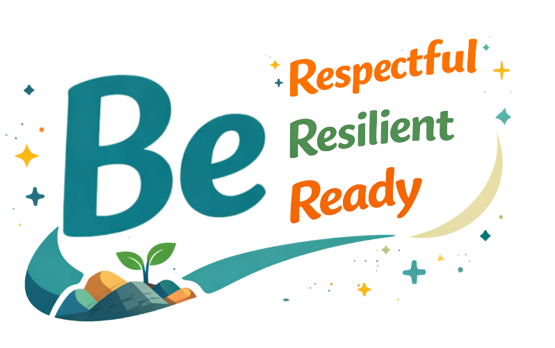
Following the school values:
Respectful:
- Opportunities will also be provided for children to work both independently and collaboratively to complete tasks. They will be encouraged to think about problem solving to achieve greater success, including attacking and defending.
Resilient:
- Within the schemes of work, children will have opportunities to engage in competition against themselves and others in a range of increasingly challenging situations. At times, children will record and monitor their scores to look for ways to improve.
- Swimming lessons will also be provided for all children in year 4 including water safety.
Ready:
- Our focus throughout the year groups for physical education will be to develop the children’s fundamental movement skills. Children will be encouraged to use these (e.g. agility, balance and coordination) in isolation and in combination to link the movements efficiently in game situations.
We carefully plan and use our sorts premium funding to ensure that we meet the five key indicators as set out by the Department for Education.
Key indicator 1: The engagement of all pupils in regular physical activity – Chief Medical Officers guidelines recommend that primary school pupils undertake at least 30 minutes of physical activity a day in school
Key indicator 2: The profile of PESSPA being raised across the school as a tool for whole school improvement
Key indicator 3: Increased confidence, knowledge and skills of all staff in teaching PE and sport
Key indicator 4: Broader experience of a range of sports and activities offered to all pupils
Key indicator 5: Increased participation in competitive sport
Planning Overview
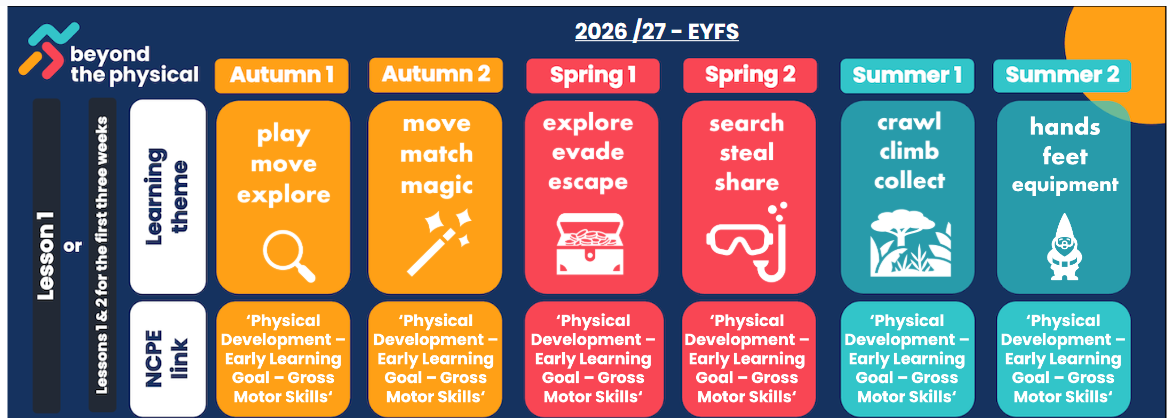
EYFS Overview - Cycle A
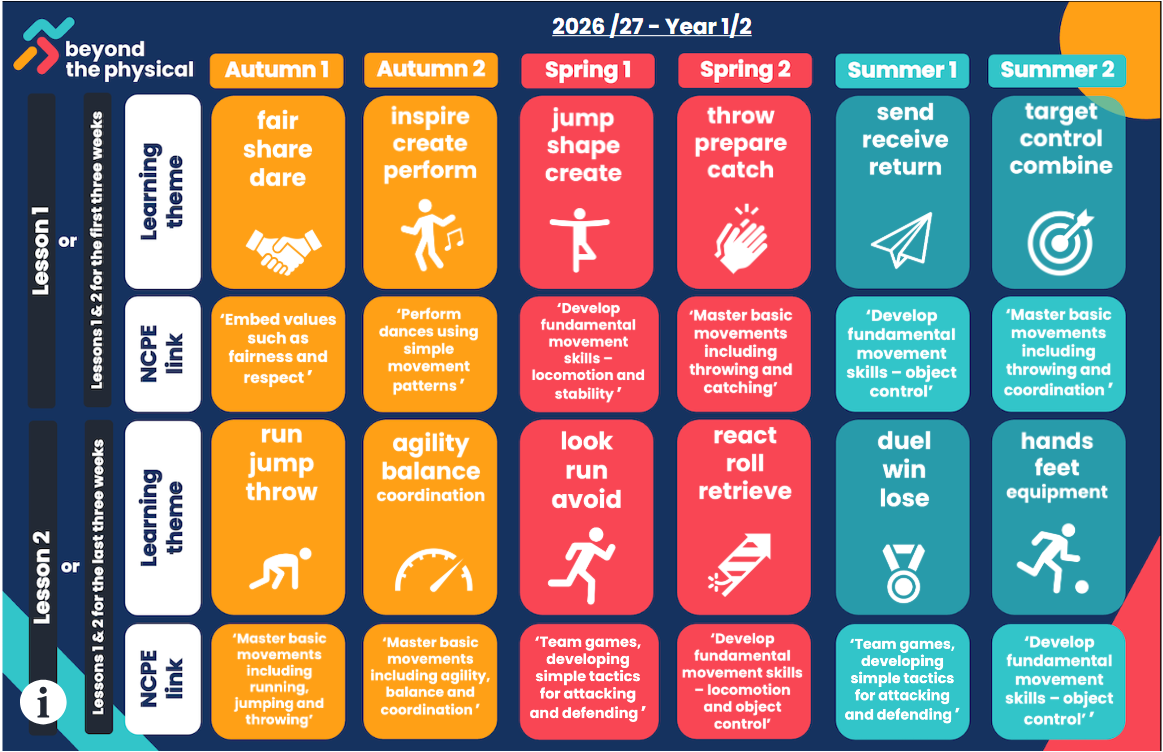
Year 1/2 Overview - Cycle A
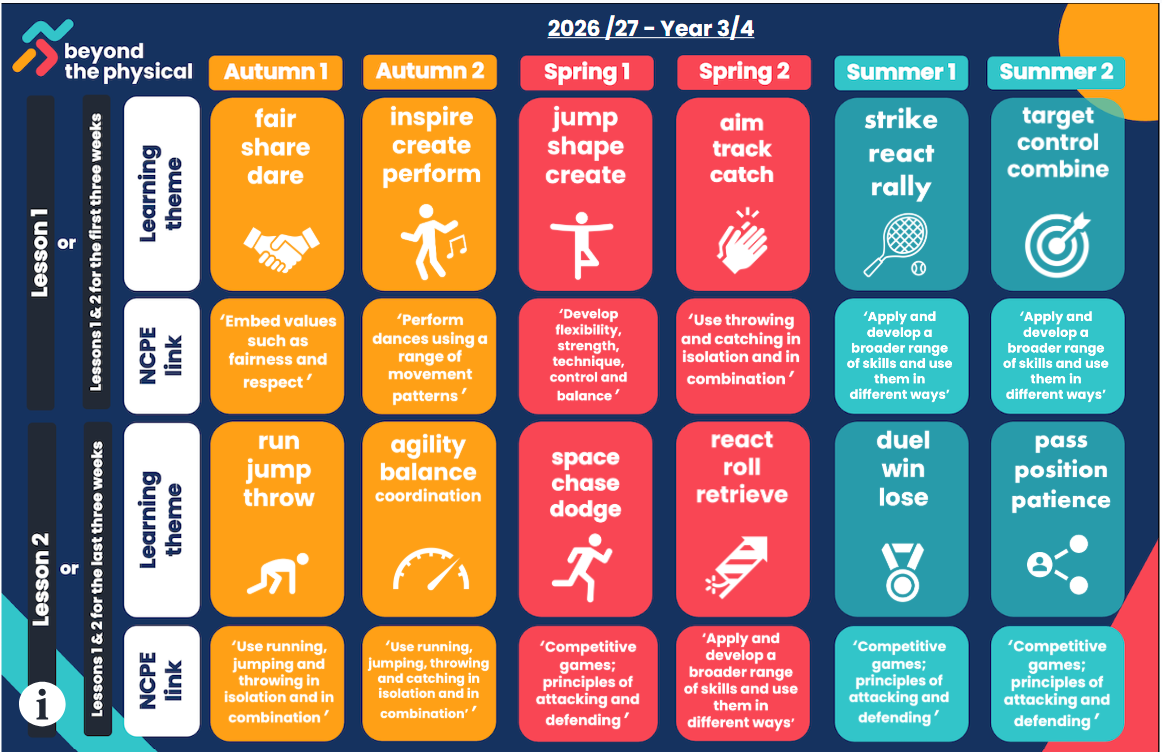
Year 3/4 Overview - Cycle A
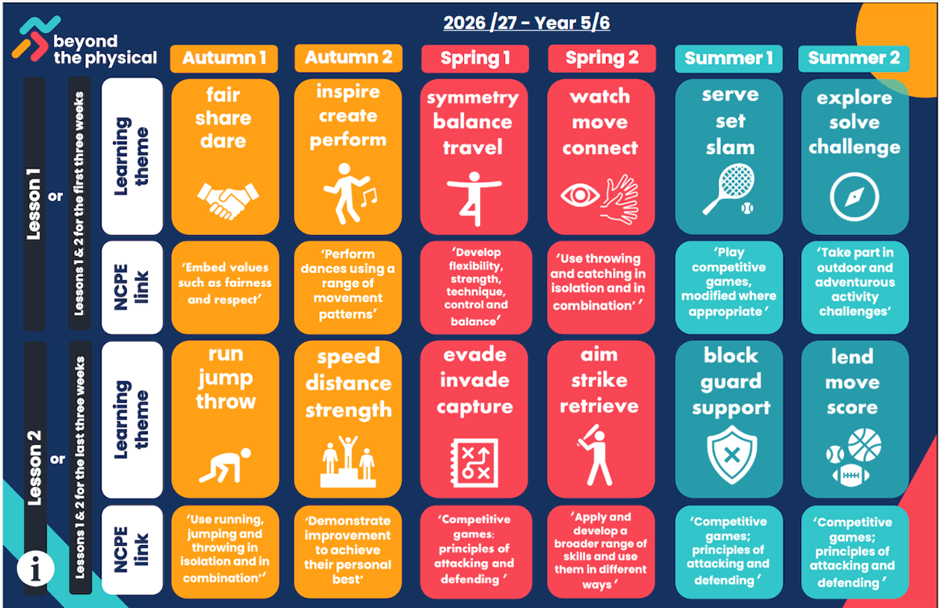
Year 5/6 Overview - Cycle A